What Is Meal Kit Delivery and How Does Low-Cost Work?
The average American household wastes about $1,500 worth of food every year — mostly because people buy ingredients with good intentions and then don't use them. Meal kit delivery exists to fix exactly that problem, and the low-cost end of the market has gotten surprisingly competitive.
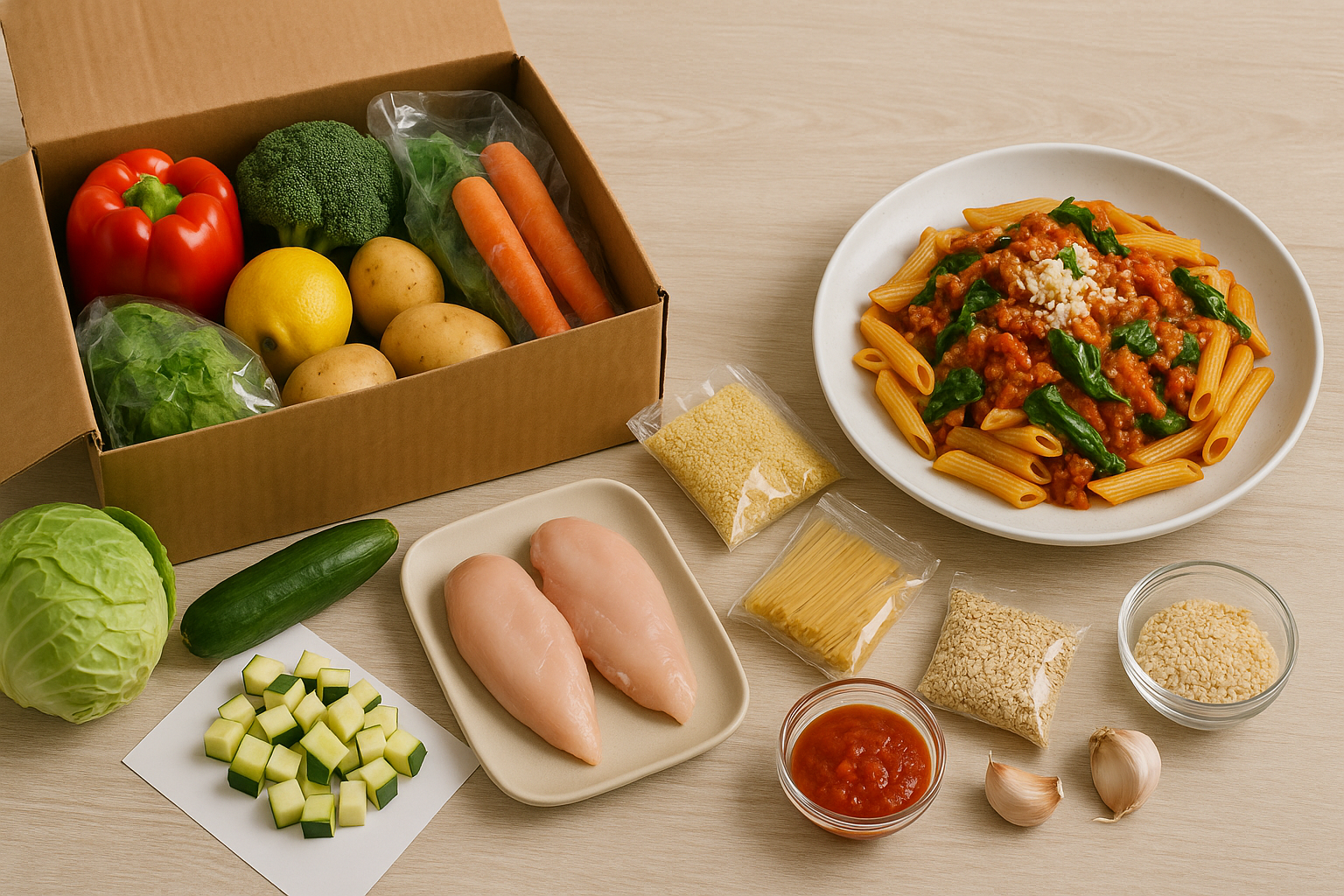
Here's the basic model: a company sends you pre-portioned ingredients and recipe cards. You cook. You don't overbuy, you don't throw out half a bunch of cilantro, and you don't spend 45 minutes figuring out what's for dinner. Low-cost meal kit delivery services work by trimming extras — fewer menu options, simpler recipes, leaner packaging — to bring the per-serving price down below what premium brands charge.
The result is a category of services that sits somewhere between cooking everything from scratch and paying $15 for a takeout bowl. When they're run well, they're genuinely useful. When they're not, you end up paying a shipping fee for a bag of sad vegetables.
How Much Do Affordable Meal Kit Services Actually Cost Per Serving?
Prices vary more than people expect. Here's a realistic breakdown across the market:
- Budget tier ($5–$7/serving): EveryPlate, Dinnerly
- Mid-range ($8–$11/serving): HelloFresh, Home Chef
- Premium ($12–$17/serving): Green Chef, Sunbasket, Martha & Marley Spoon
EveryPlate regularly comes in around $4.99–$5.99 per serving for a 2-person, 3-meal plan. Dinnerly sits close to that at around $5.49–$6.49. Both achieve this by limiting weekly menu choices (usually 10–15 options vs. 40+ at premium services) and using digital recipe cards instead of printed ones.
Shipping typically adds $9–$10 per box, which matters a lot at lower serving counts. Order two meals for two people and that shipping fee inflates your real per-serving cost significantly. Order four or five meals and it gets diluted enough to make sense.
The Best Low-Cost Meal Kit Delivery Services Ranked
1. EveryPlate — Best for price-per-meal outright. Menus are simple, ingredients are no-frills, and it does exactly what it promises. Not glamorous. Works.
2. Dinnerly — Slightly more variety than EveryPlate. Their "5-ingredient" meals are genuinely fast to cook and the app is cleaner. Around the same price point.
3. HelloFresh — Not the cheapest, but runs heavy intro discounts (often 60% off your first few boxes). Quality of ingredients is a step up from the budget two. Worth trying on a promo.
4. Home Chef — More flexibility than most: oven-ready options, calorie-conscious meals, protein swaps. Pricing sits around $8–$10/serving, slightly higher but often worth it for households with picky eaters.
5. Factor — Pre-made meals, not kits. Around $11–$13/meal. Only makes the list because if you value zero cooking time over cooking, it competes effectively with food delivery apps on price.
How to Compare Cheap Meal Kit Options (What to Look For)
A solid meal kit delivery cost comparison comes down to five things:
- Real per-serving price (after shipping, before discounts)
- Minimum order size — some services require you to order at least 3 meals/week, which locks in a spend floor
- Menu variety — smaller menus mean you'll repeat meals faster, which causes cancellations
- Ingredient quality — organic? local? pre-washed greens or heads of lettuce you have to clean yourself?
- Flexibility — can you skip weeks without a penalty? How easy is it to pause?
A meal kit delivery price comparison that ignores shipping is useless. Always calculate: (price per serving × number of servings) + shipping = actual weekly cost. That's your number.
Hidden Fees to Watch Out For With Budget Meal Kits
The base price almost never tells the whole story. Watch for:
- Shipping fees — typically $8.99–$10.99 per box, every week. Non-negotiable at most services.
- Premium meal surcharges — surf and turf, lobster, or steak options often carry a $2–$5 upcharge per serving on top of the base price.
- Market items — HelloFresh and Home Chef both sell add-ons (desserts, snacks, breakfasts) that quietly inflate your total at checkout if you don't opt out.
- Auto-renewal — you're enrolled automatically. Miss the weekly cutoff to skip or cancel and you're getting a box.
- Card-on-file charges — some services charge your card before the cancellation window closes, making it harder to dispute.
Set a calendar reminder for your cutoff day, usually 4–6 days before delivery. That's the only real protection.
Low-Cost Meal Kits vs. Grocery Shopping: Which Saves More Money?
Groceries win on raw cost. There's no version of meal kit delivery that beats buying rice, beans, and seasonal vegetables at Aldi or Walmart. But that's not quite the right comparison.
The real question is whether meal kits are cheaper than how you actually shop — not how you theoretically could. If your grocery runs involve buying a full bunch of fresh thyme for a recipe that needs one sprig, or buying salmon that goes bad before you cook it, or defaulting to $18 delivery apps three times a week, then a $6/serving meal kit might genuinely save you money.
One reasonable benchmark: a homemade dinner for two using fresh ingredients from a mid-range grocery store costs roughly $8–$14 depending on protein and location. EveryPlate at ~$10–$12 for two servings (including shipping amortized) is competitive with that, especially when you factor in zero food waste and no planning overhead.
How to Get the Cheapest Price on Meal Kit Delivery (Discounts, Promos, and Hacks)
This is where the real savings are. The meal kit delivery reviews by price community has figured out a reliable playbook:
- First-box discounts are massive. HelloFresh, Green Chef, and Home Chef routinely offer 50–60% off your first box. EveryPlate has offered first boxes for under $25 total.
- Cancel and come back. Most services will email you a "we miss you" discount within 2–4 weeks of cancellation — usually 30–40% off. Cycling through services with intro offers is a legitimate strategy.
- Referral codes — legitimate. Share your code with a friend, both of you get credit. Referral aggregator sites like RetailMeNot often have working codes too.
- Seasonal promos — New Year, back-to-school, and Black Friday all bring deeper discounts.
- Pause instead of canceling — if you're traveling, pause the account. You'll get retention offers before the service lets you pause for extended periods.
Best Low-Cost Meal Kits for Families vs. Singles vs. Couples
Families (4+ people): Home Chef and HelloFresh scale well to family plans. EveryPlate has a family plan option that keeps costs low — around $5–$6/serving even at higher quantities. Feeding four people on EveryPlate costs roughly $60–$75/week before shipping, which is reasonable.
Couples: The 2-person, 3-meal plan is the sweet spot for most services. You're getting six servings for the week, and shipping gets diluted. Dinnerly and EveryPlate are the best value here.
Singles: Harder. Most services don't offer 1-person plans, so you're ordering a 2-serving plan and eating the leftovers (not always bad) or dealing with half-portions. Factor's pre-made meals work better for singles since you can order exactly what you'll eat, no cooking, no waste. Around $11–$13 per meal with free shipping on larger orders.
Are Affordable Meal Kits Worth It? Quality vs. Price Breakdown
EveryPlate and Dinnerly use standard grocery-quality ingredients. You're not getting the grass-fed beef or sustainably sourced seafood that Sunbasket sells. The produce is fresh but not fancy. The proteins are supermarket-tier. For most people, that's completely fine.
What you're paying for is convenience and portion accuracy, not ingredient provenance. If you want organic and ethically sourced, budget kits aren't the right category — move up to Green Chef (~$12/serving) and accept the premium.
For anyone whose main goal is eating home-cooked dinners without planning effort, on a reasonable budget, the affordable services deliver exactly what they promise.
Common Mistakes When Choosing a Budget Meal Kit Service
- Choosing based on per-serving price alone without factoring in shipping
- Ordering the minimum (2 meals/week) and wondering why the box feels expensive
- Ignoring the cutoff date and getting charged for a box you didn't want
- Picking a service with no skip flexibility when your schedule is unpredictable
- Not reading the cancellation policy before entering your credit card
How to Cancel or Pause Subscriptions Without Getting Charged
Every major service makes this possible, but none of them make it obvious. General rules:
- Cutoff is typically 5–6 days before delivery. Miss it, you're getting a box.
- Cancellation is done online, not by email. HelloFresh, EveryPlate, and Home Chef all require you to go into account settings and complete a multi-step cancellation flow. It takes about 3 minutes.
- Pausing is usually available for 1–8 weeks depending on the service.
- If you get charged accidentally, contact support within 24–48 hours. Most services will refund or credit you once as a goodwill gesture.
Screenshot your cancellation confirmation. It's your only evidence if there's a billing dispute later.
Which Low-Cost Meal Kit Service Should You Try First?
Start with EveryPlate if price is your primary filter. It's the cheapest consistent option on the market, the recipes are straightforward, and you'll know within one box whether the meal kit model works for your household.
If you want slightly more variety or a cleaner app experience, try Dinnerly at a similar price point. If you find a 50%+ promo for HelloFresh, take it — the ingredient quality bump is noticeable and worth experiencing at a discounted rate.
Use an intro offer, cook for 3–4 weeks, then decide whether it fits your life. The worst outcome is you spend $25 on a first box and decide it's not for you. That's a cheap way to find out.